
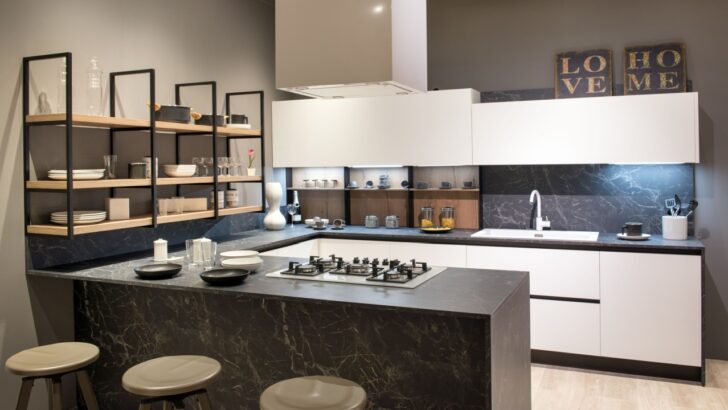
If you’ve ever been house hunting, you know the kitchen is make-or-break. The kitchen is where life happens; it’s where you burn toast, attempt ambitious new recipes, and have deep conversations over a cup of coffee. When potential homebuyers walk into your kitchen, they aren’t just looking at a room; they’re picturing their own future toast-burning and coffee-fueled chats.
A few small details can make the difference between a buyer who sees a dream and one who sees a project. The kitchen speaks; it may either welcome the new buyer or usher them out, never to return. Let’s walk through the common kitchen features that might make buyers politely back away.
1. Lack of Storage

Image Credit: Shutterstock.
A kitchen without enough storage is like a phone with no battery life: frustrating and impractical. When buyers see items spilling out onto countertops, they immediately imagine a future filled with clutter and a constant search for that one specific spice jar. It signals inconvenience and suggests the space wasn’t designed with real-world cooking in mind.
A kitchen should feel organized and efficient. When cabinets and pantry space are scarce, it creates an impression of a cramped and chaotic environment, which is a major turn-off for anyone who has ever tried to find a lid for a container.
What You Can Do:
- Declutter Mercilessly: Remove any kitchen gadgets, dishes, or food items you haven’t used in the last year. Be honest with yourself about what you truly need (or at least tuck it away for now).
- Maximize Vertical Space: Install risers inside cabinets to double your shelf space for mugs and plates.
- Get Creative: Use magnetic strips for knives, hang pots and pans from a ceiling rack, or add a slim rolling cart for extra workspace and storage that can be tucked away.
2. Overly Personalized Decor
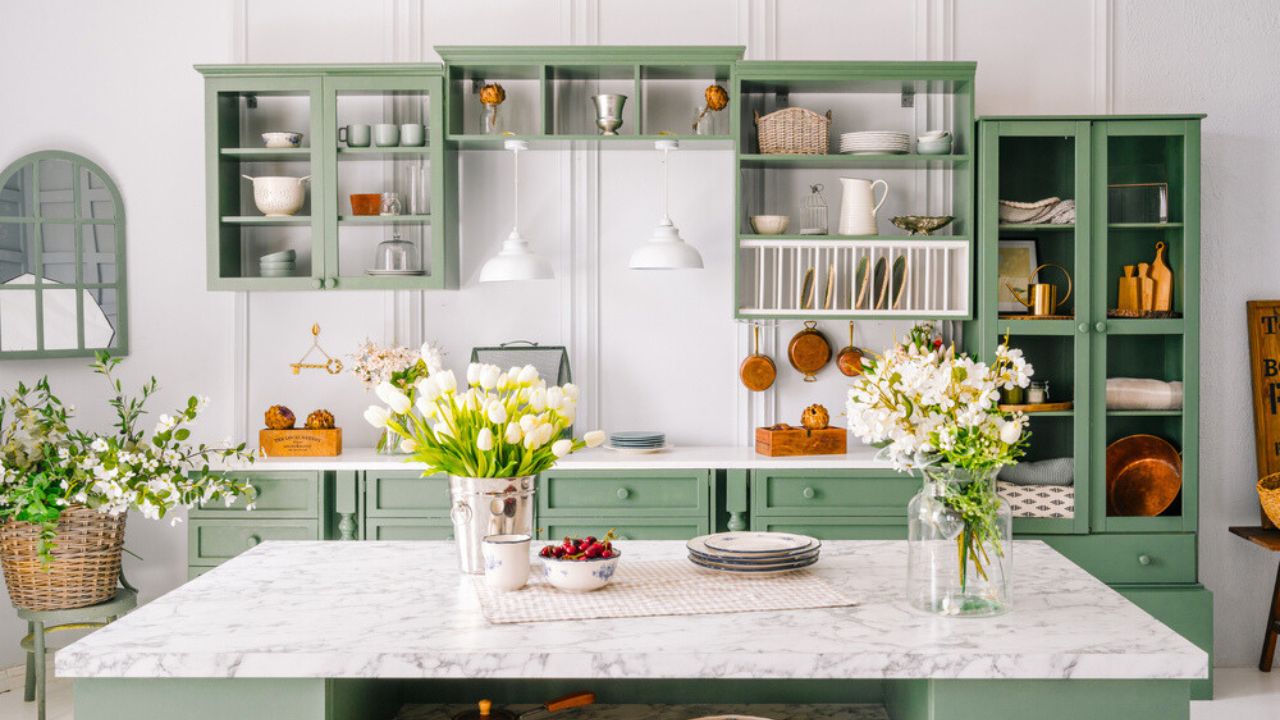
Image Credit: Shutterstock.
Your love for lime green cabinets and a mosaic tile backsplash that tells the story of your family vacation is wonderful, but it might not resonate with everyone. Bold, highly specific decor choices can make it difficult for buyers to envision themselves in the space. They don’t see a blank canvas; they see a renovation project waiting to happen.
The goal is to create a setting where a wide range of people can imagine their own style taking root. When a kitchen is too unique, it can feel like you’re just a guest in someone else’s very distinct home, rather than a potential owner.
What You Can Do:
- Neutralize the Palette: A fresh coat of neutral paint on the walls and cabinets can work wonders. Shades of white, gray, or beige are popular because they create a bright and clean look.
- Update Hardware: Swap out any unique or dated cabinet pulls and knobs for something more modern and simple, like brushed nickel or matte black.
- Remove Personal Items: Take down family photos, quirky art, and any decor that screams “you.” You want buyers to imagine their stuff there, not yours.
3. Dark or Closed-Off Layout
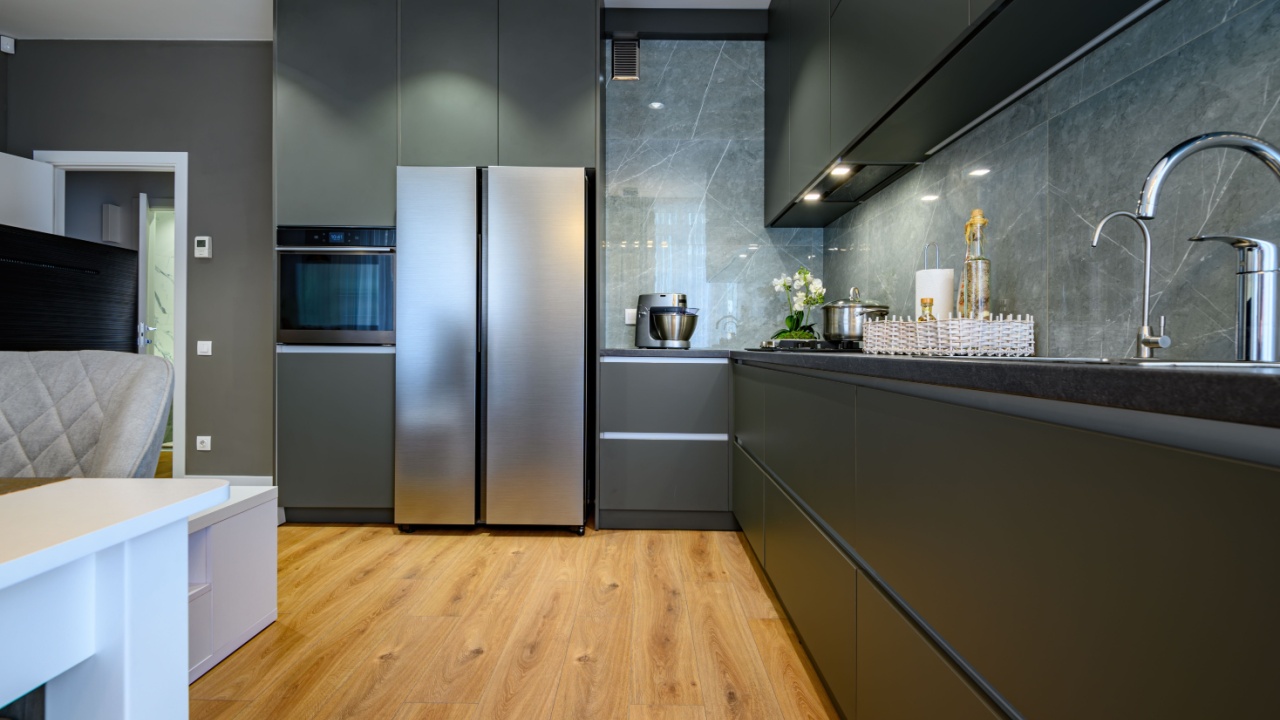
Image Credit: Shutterstock.
Kitchens have become the social hub of the home, and buyers want a space that feels open, airy, and connected to the rest of the house. A dark, closed-off kitchen can feel isolating and cramped. Poor lighting or a lack of windows makes the room seem smaller and less inviting, turning what should be a lively space into a gloomy cave.
Modern buyers often look for layouts that allow for easy conversation between the kitchen and living or dining areas. A kitchen that feels disconnected from these spaces can be a significant drawback.
What You Can Do:
- Improve Lighting: Install under-cabinet LED strips to brighten countertops. Update ceiling fixtures to something that provides ample, warm light.
- Use Light Colors: Lighter paint colors, backsplashes, and even countertops can reflect light and make the space feel larger.
- Add Mirrors: A well-placed mirror can create the illusion of more space and bounce light around the room.
4. Cramped Prep Zones
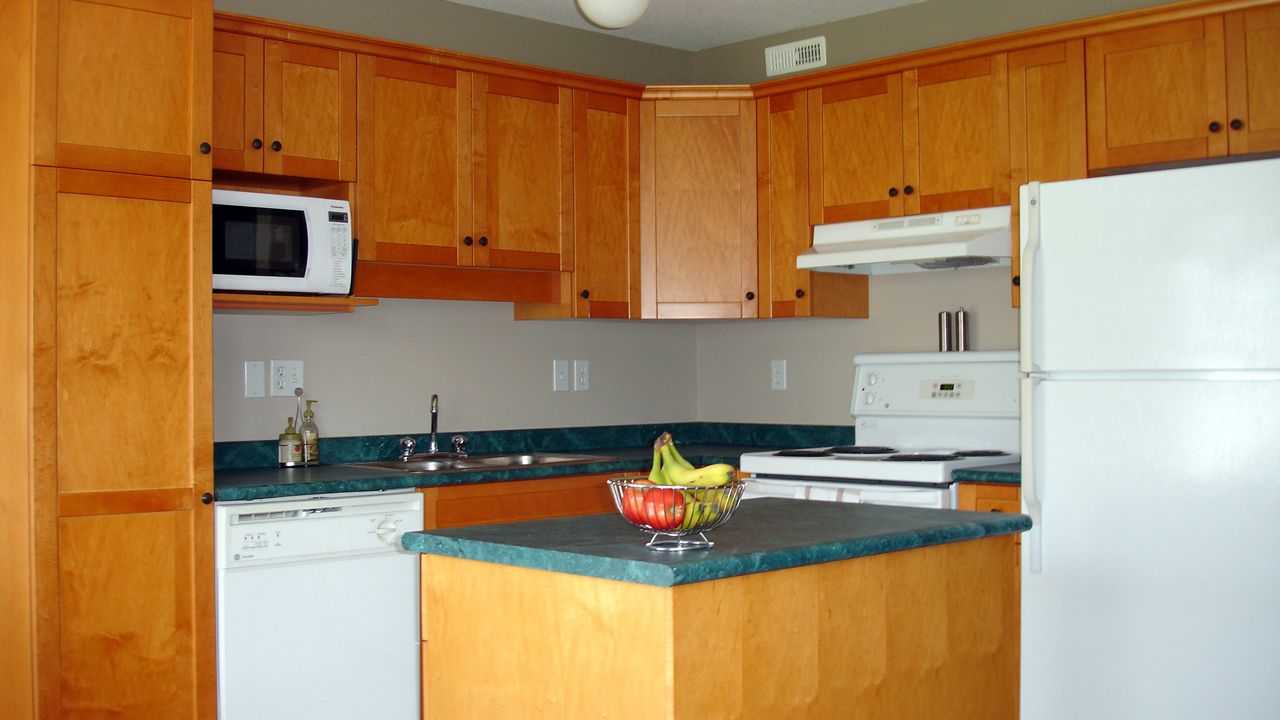
Photo Credit: daryl_mitchell from Saskatoon, Saskatchewan, Canada – Kitchen – CC BY-SA 2.0/Wiki Commons.
The kitchen’s prep zones are the main stage. It’s where ingredients are prepped, meals are plated, and school projects are sometimes assembled. When there isn’t enough surface area to work on, the entire kitchen feels dysfunctional. Buyers will quickly notice if there’s barely enough room to place a cutting board next to the sink.
A lack of prep space suggests daily frustration and inefficiency. People want a kitchen that feels spacious and capable of handling everything from a simple breakfast to a large dinner party.
What You Can Do:
- Clear the Decks: Remove all non-essential items from your counters. Keep only a few daily-use items out, like a coffee maker or a toaster.
- Add a Kitchen Island: If space allows, a rolling kitchen island or cart can provide extra prep space when needed and can be moved out of the way.
- Install a Sink Cover: A custom-fit cutting board that sits over one side of the sink can instantly create more usable workspace.
5. Old or Damaged Countertops
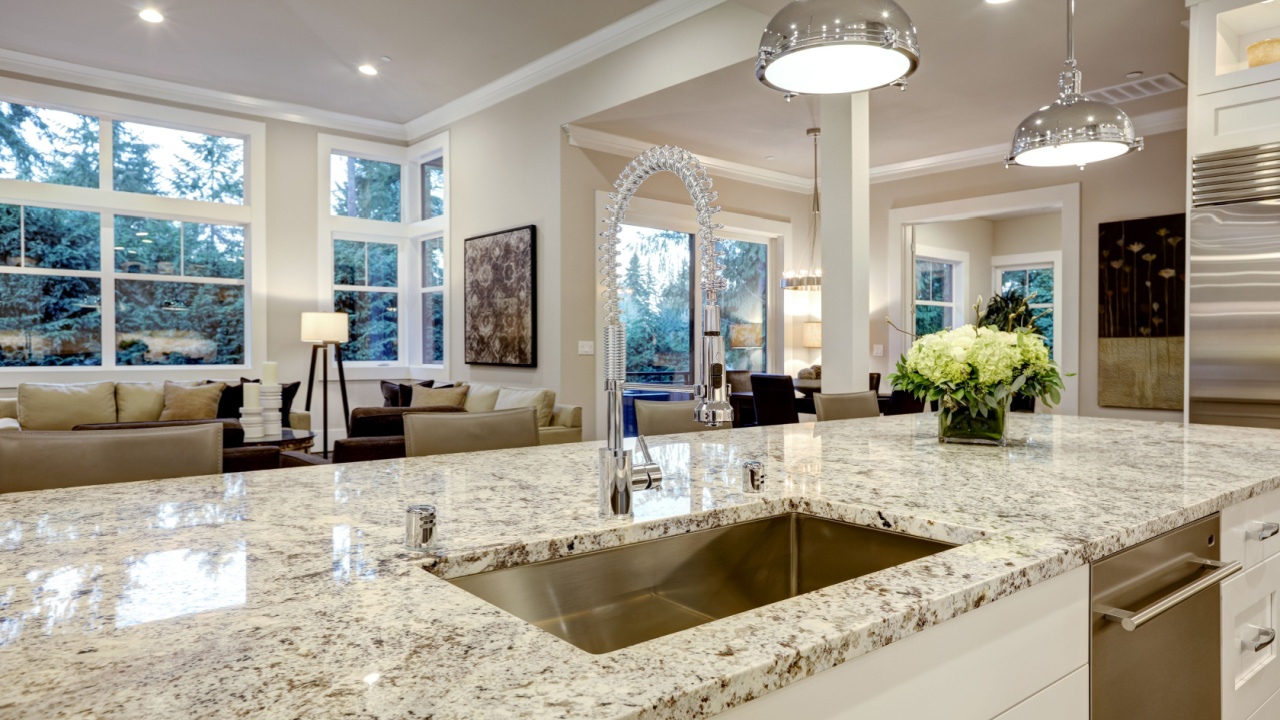
Image Credit: Shutterstock.
Cracked countertops aren’t just unappealing to buyers; they can also pose safety risks. From a buyer’s perspective, they can diminish the overall appearance of the kitchen. Scratches, stains, burn marks, or peeling laminate are immediate red flags for buyers.
Replacing countertops is a known expense, and buyers will factor that cost into their potential offer. A damaged countertop can make an otherwise solid kitchen look dated and poorly maintained.
What You Can Do:
- Repair Minor Damage: You can find kits to repair small chips and scratches in many types of countertops. For laminate, use contact cement to re-adhere peeling edges.
- Refinish or Resurface: Depending on the material, you might be able to refinish your countertops. There are DIY kits available for painting laminate and tile to give them a fresh, new look for a fraction of the cost of replacement.
- Clean and Polish: A deep cleaning and polish can sometimes be enough to revive tired-looking countertops and make them look their best.
6. Greasy or Grimy Surfaces
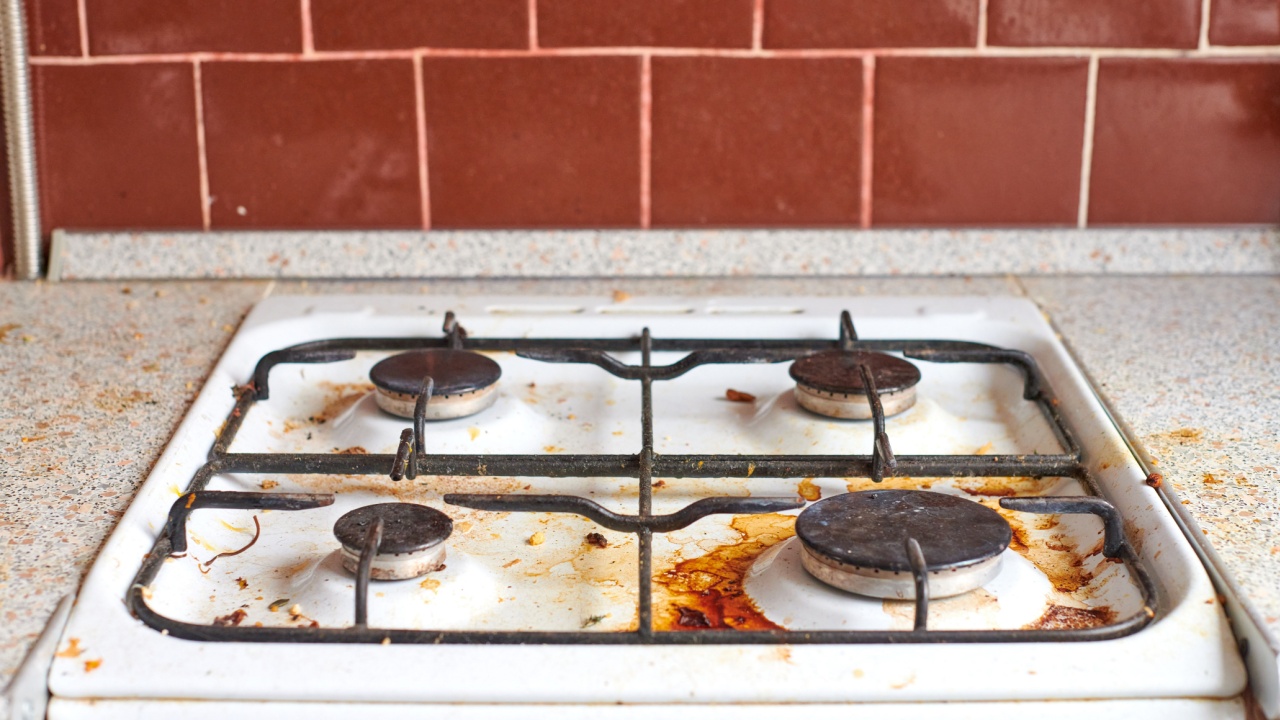
Image Credit: Shutterstock.
Few things turn a buyer off faster than visible dirt. Sticky cabinet handles, a greasy film on the range hood, or crumbs in the corners send a clear message: this home has not been well-maintained. Even if the rest of the house is spotless, a dirty kitchen can create a lasting negative impression.
Buyers use their senses to evaluate a home, and a grimy kitchen fails the test on multiple levels. It looks, feels, and can even smell unpleasant, causing buyers to question the home’s overall cleanliness.
What You Can Do:
- Deep Clean Everything: Wipe down every surface, including cabinet faces, backsplashes, and appliances. Don’t forget small details like light switches and outlet covers.
- De-grease the Range Hood: The area around the stove is often the worst culprit. Use a good degreaser to clean the range hood, filter, and surrounding walls.
- Pay Attention to Floors: Mop the floors thoroughly, focusing especially on the baseboards and corners where dirt can accumulate.
7. Mismatched or Damaged Flooring

Image Credit: Shutterstock.
The kitchen floor takes a lot of abuse, but buyers still expect it to look good. Cracked tiles, peeling vinyl, or a strange transition between different flooring types can be visually jarring. Inconsistent flooring breaks the flow of the space and can make the kitchen feel disjointed from the rest of the home.
Damaged flooring is another red flag that hints at bigger problems. Buyers might see a cracked tile and worry about potential foundation issues or past water damage, leading them to be more cautious.
What You Can Do:
- Repair or Replace: Replace any cracked or broken tiles. If the flooring is extensively damaged, consider replacing it with an affordable and durable option like luxury vinyl plank.
- Deep Clean Grout: If you have tile floors, cleaning the grout can make a huge difference. A clean grout line can make the entire floor look new again.
- Use a Rug: A large, stylish area rug can cover up minor imperfections and add a touch of color and warmth to the kitchen.
8. Outdated Appliances
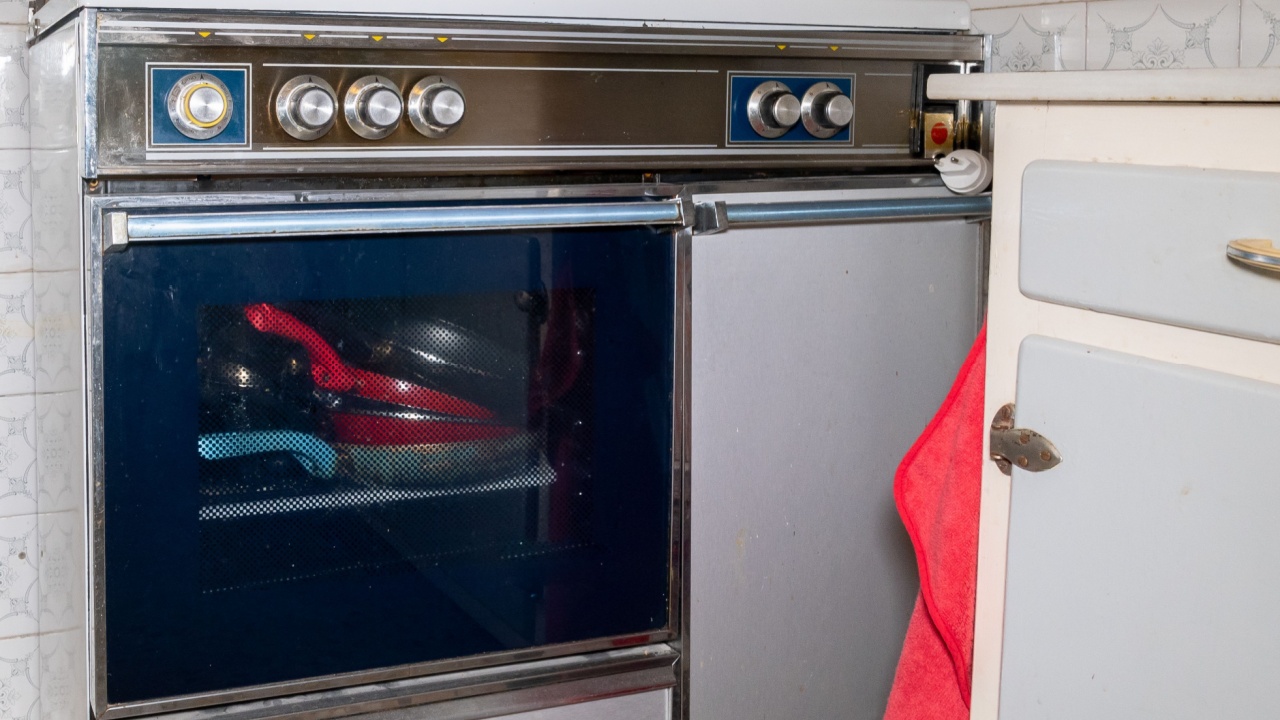
Image Credit: Shutterstock.
A kitchen full of old appliances can be a major deal-breaker. Buyers see them and immediately start calculating the cost of replacement. Older models are often less energy-efficient, which means higher utility bills, and they can be noisier and less effective than their modern counterparts.
Mismatched appliances, such as a stainless steel fridge with a white dishwasher and a black stove, can also disrupt the kitchen’s visual harmony. Buyers prefer a cohesive and updated set that looks and functions well.
What You Can Do:
- Focus on a Cohesive Look: If you can’t replace all the appliances, try to make them match. Sometimes you can order new face panels for dishwashers or use special appliance paint to create a uniform color.
- Consider One Key Upgrade: If your budget is limited, replacing the most visible or most dated appliance can have a big impact. A new stove or refrigerator can lift the whole room.
- Ensure They Are Spotless: If you’re sticking with your current appliances, make sure they are sparkling clean inside and out. Remove any magnets or clutter from the refrigerator door.
9. Poor Ventilation
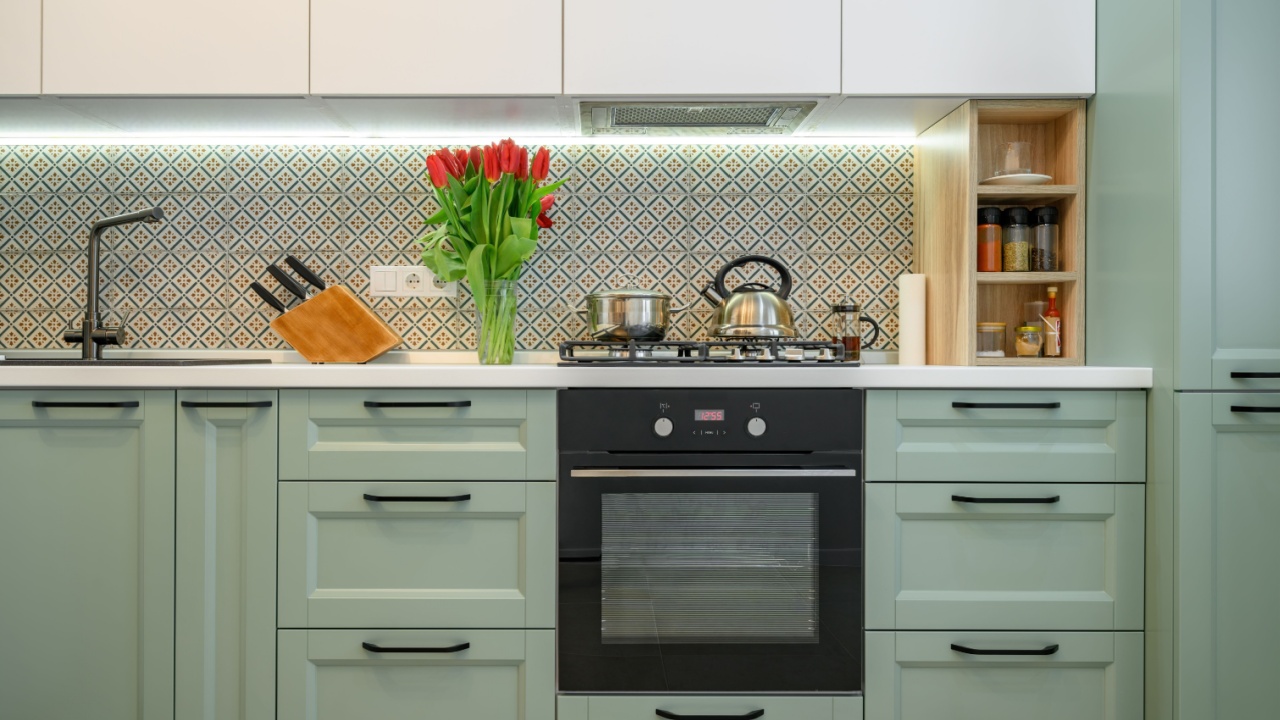
Image Credit: Shutterstock.
A stuffy kitchen that traps cooking odors is a definite negative. When buyers walk in and smell last week’s fried fish, it suggests that the kitchen lacks proper ventilation. A good ventilation system is important for removing smoke, steam, and food smells, keeping the air fresh and clean.
Without a functional range hood or fan, buyers may also worry about the long-term effects of grease and moisture on the cabinets and walls. Good ventilation is now considered a standard feature for both comfort and home maintenance.
What You Can Do:
- Test Your Fan: Make sure your range hood or exhaust fan is working correctly. Clean the filter, as a clogged filter can significantly reduce its effectiveness.
- Air Out the House: Before a showing, open the windows to let fresh air circulate and clear out any lingering smells.
- Simmer Something Nice: Just before buyers arrive, simmer a pot of water with cinnamon sticks or citrus peels on the stove. It creates a pleasant, welcoming scent.
10. Broken Cabinet Doors

Image Credit: Shutterstock.
A cabinet door that hangs crooked or a drawer that won’t close properly may seem like a minor issue, but to a buyer, it signals a lack of care. These minor problems can give the impression that the home has not been well-maintained and that there might be other, more significant issues lurking beneath the surface.
Buyers are looking for a home that is move-in ready. Even small repair jobs add to a mental list of projects they’ll have to tackle, which can make the home feel less appealing.
What You Can Do:
- Tighten Hinges: Many alignment issues can be fixed by simply tightening or adjusting the hinge screws.
- Replace Damaged Hardware: If hinges or drawer slides are broken, they are relatively inexpensive and easy to replace.
- Give Them a Fresh Look: While you’re at it, consider updating the knobs and pulls. New hardware is a simple way to make old cabinets look modern.
11. Overcrowded Decor and Open Shelving

Image credit: Depositphotos.com.
Open shelving can be beautiful in design magazines, but in real life, it requires constant tidiness. For buyers, shelves piled high with mismatched mugs, boxes of cereal, and a jumble of glassware can look messy and stressful. It highlights a potential lack of closed storage and makes the kitchen appear cluttered.
Even if you don’t have open shelves, too much decor on the walls or countertops can have the same effect. It makes the space feel smaller and prevents buyers from appreciating the kitchen’s actual features. Even if space is an issue, you can still organize your small kitchen to be presentable and functional.
What You Can Do:
- Curate Your Shelves: If you have open shelving, style it intentionally. Use a matching set of dishes and glassware, and add a few simple decorative items like a small plant.
- Edit Your Decor: Remove excess items from your walls and countertops. You want the space to feel clean and open, not like a gift shop.
- Think Like a Minimalist: When preparing for a showing, adopt a “less is more” attitude. The goal is to showcase the space, not your collection of novelty salt and pepper shakers.
Finding a Balance in the Kitchen
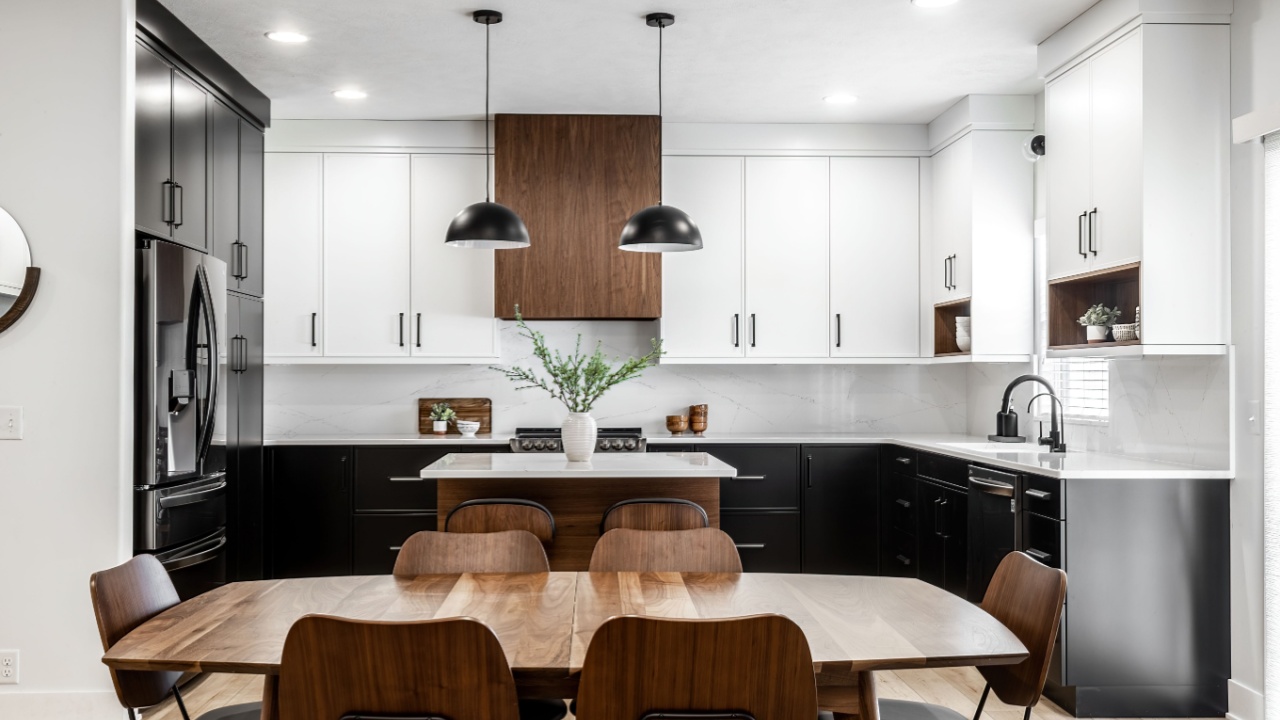
Image Credit: Aspects and Angles / Shutterstock.
Before your next showing, spend ten minutes standing in your kitchen without doing anything. Don’t clean. Don’t rearrange. Just observe. What catches your eye first? What feels out of place? That’s where you start. Fix the drawer that sticks every time. Swap the burnt-out bulb above the sink. Remove the third utensil holder you never use. Buyers notice the things you’ve stopped seeing. Your job is to restore clarity and prove functionality. Make the space feel intentional, not improvised. That’s what sells.